
Steve's Weekly Letter
Thursday, February 12, 2026

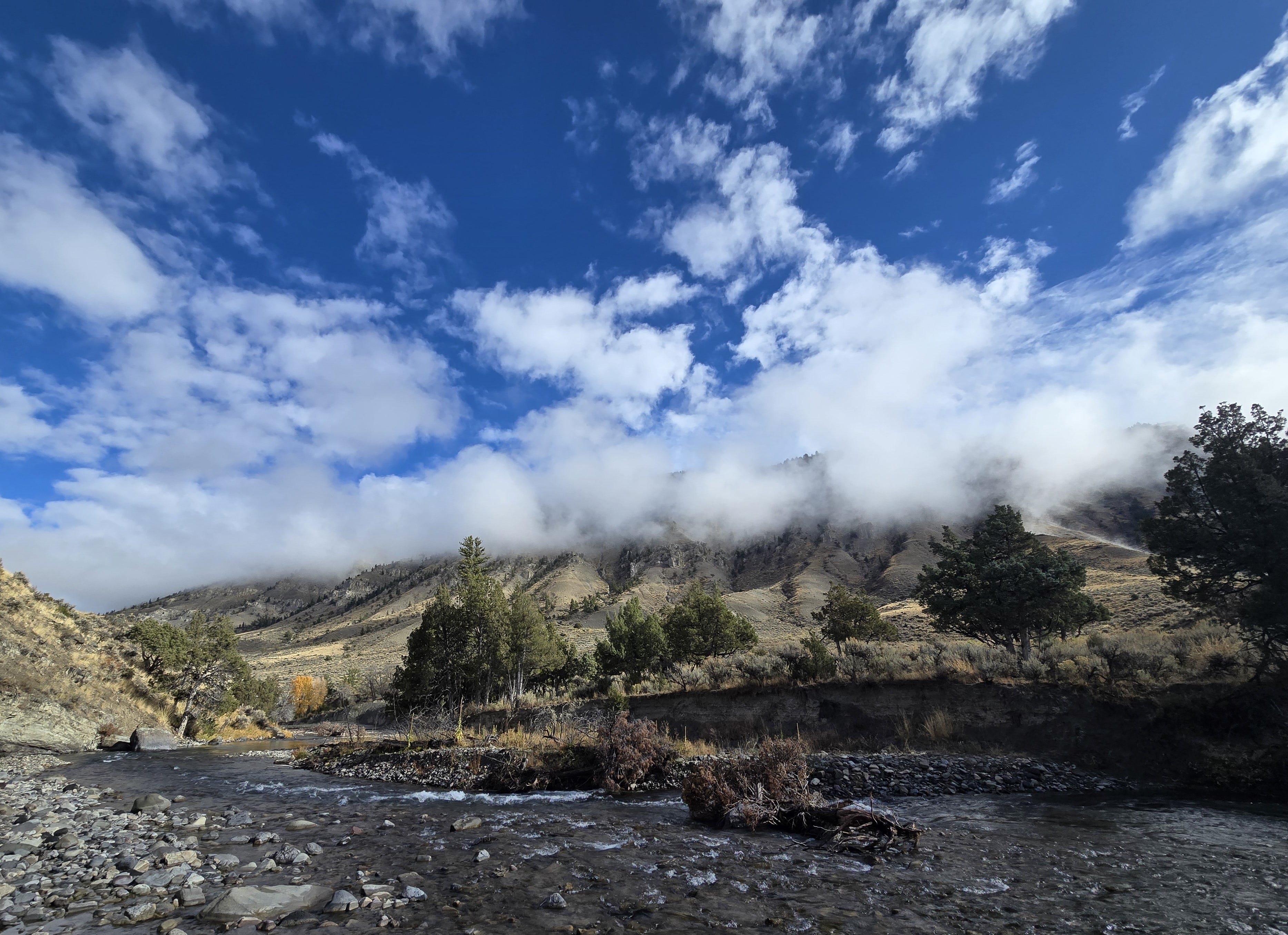
This is the Gardner River in Yellowstone National Park on an October day in 2024. I was fly fishing, and the clouds hovering over the nearby hills caught my eye.
Reflection
If you have doubts about the effectiveness of prayer, read Psalm 18.
According to the superscription, David wrote the words of this song [that is, Psalm 18] when the LORD delivered him from the hand of all his enemies and from the hand of Saul.
An Amazing God
David opens Psalm 18 with these words: I love you, LORD.
This is a rather unusual declaration for two reasons. David Firth explains: “Declaring ‘love’ for Yahweh is rare in the Old Testament, and the verb used here (raḥam) refers to Yahweh’s love for his people in its other occurrences in the Psalms.”
I suggest this reflects David’s intensity behind his declaration. Even more striking, David grounds his love for God in God’s character. He describes God in verse 2 as:
my strength
my rock (Hebrew sela‘, referring to a crag or cliff)
my fortress (Hebrew miṣudah, the name given to the famed fortress Masadah!)
my deliverer
my rock (Hebrew ṣur, referring to a boulder or large rock)
my shield
the horn of my salvation (a metaphor for strength; think about elk antlers!)
my stronghold (Hebrew miśgab, referring to a high city or high wall)
These are striking pictures of God’s protection. David prayed to this kind of God when he called to the LORD and received salvation from his enemies (verse 3). According to verses 4-5, David was in a dire situation as he faced death.
A Spectacular Response
In the next few stanzas, beginning in verse 6, David described the LORD’s response. He said: From his temple, he heard my voice; my cry came before him into his ears (verse 6). Then, David describes God’s response in a spectacular way!
I encourage you to read Psalm 18:7-15 to feel the full effect of what God did for David. But here are a few statements to give you a flavor for how God responded.
The earth trembled and quaked, and the foundations of the mountains shook (verse 7)
Smoke rose from his nostrils; consuming fire came from his mouth (verse 8)
He parted the heavens and came down; dark clouds were under his feet (verse 9)
He mounted the cherubim and flew; he soared on the wings of the wind (verse 10)
The LORD thundered from heaven; the voice of the Most High resounded (verse 13)
He shot his arrows and scattered the enemy (verse 14)
With great bolts of lightning he routed them (verse 14)
These images are astounding.
As Robert Alter notes, the cherubim are not “dimpled darling” baby-like figures. A cherub was “a celestial winged beast, majestic and probably rather fierce.”
Riding the clouds and routing the enemy with great bolts of lightning resembles the language the Canaanites used to describe the false god Baal (remember the lost city of Ugarit where these texts were discovered?). Yet David says in essence, “No, it’s not Baal who does this. It’s Yahweh!”
I love the way Chad Bird describes this scene: “Like a divine cowboy, the Lord sits astride a warrior angel, one of the cherubim, who swiftly wings his way onto the battlefield. Smoke billows from the Lord’s dragonesque nostrils while fire rockets from his open mouth.”
Terrifying or Encouraging?
So how does this rather frightening description help us?
Chad Bird says that Psalm 18:7-15 “could be the most terrifying passage in the entire Bible. But it’s not. It’s just God, passionately and ferociously, coming to rescue his child.” That’s exactly right!
A few years ago, I wrote a note in the margin of my Bible by Psalm 18:7 that said: “All this in response to the prayer and needs of one person!”
Sometimes, God’s answer to our prayers is (from our perspective) delayed. Sometimes, God’s answer is different from what we requested. Sometimes, it seems like God is distant or silent.
Yet David’s description of God’s response in Psalm 18:7-15 reminds us that when we pray, God goes on the warpath to fight on our behalf!
Remember that the next time you’re tempted to wonder if prayer makes any difference.
Personal Update
This Sunday, February 12, I plan to preach Ecclesiastes 4 at the Evangelical Free Church of Des Plaines, where I serve as interim pastor. The title of the sermon is “Four Problems that Harm Communities.”
The book I’ve been reading this week is Everything is Never Enough: Ecclesiastes’ Surprising Path to Resilient Happiness by Bobby Jamieson. You can check it out here.
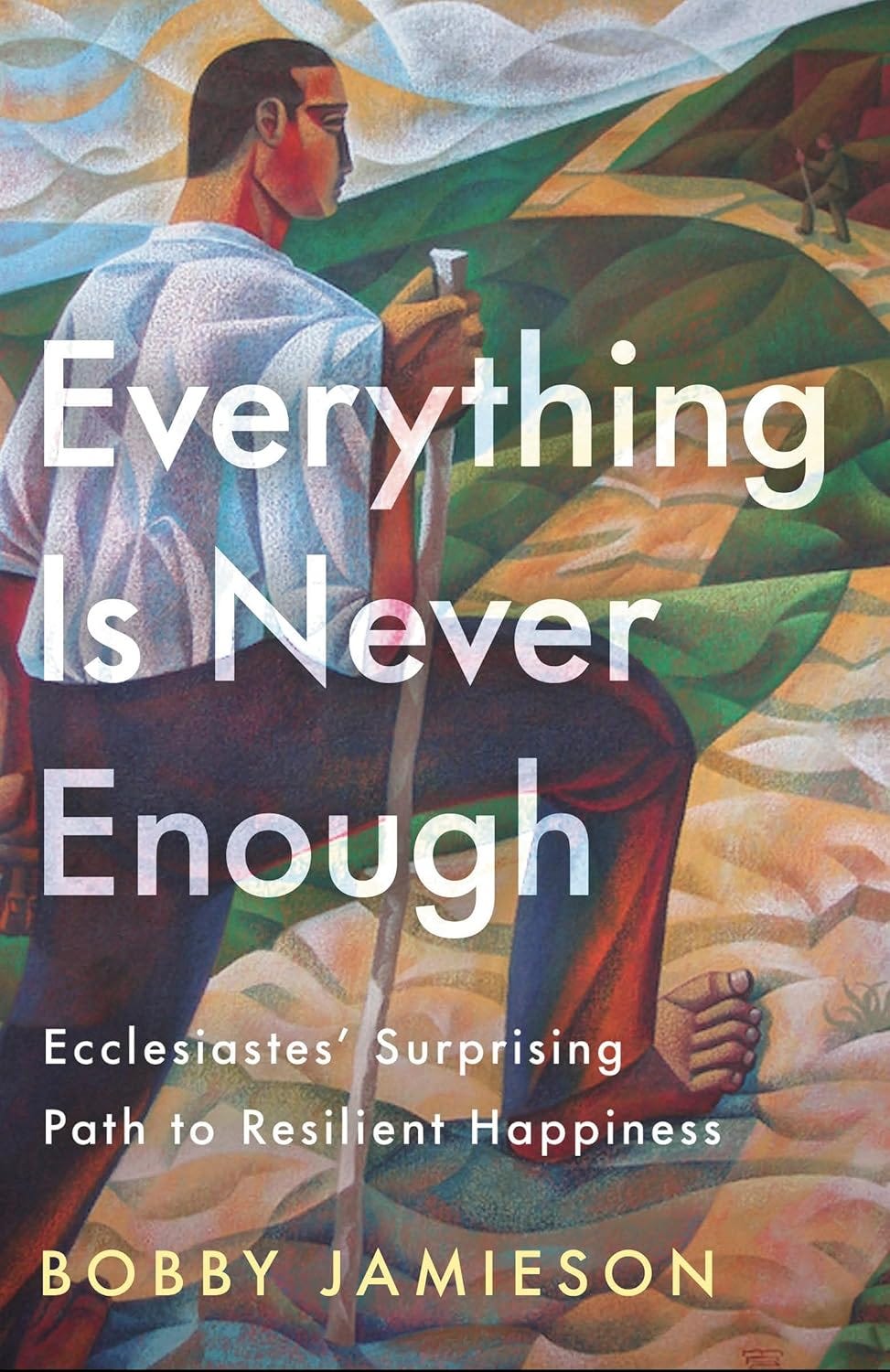
This is a popular level treatment of the book of Ecclesiastes. This means its readable, yet it is thoughtful and reflective. Jamieson is a pastor with a PhD from the University of Cambridge (England), so his thoughts are both practical and deep. He works through the book by exploring topics in Ecclesiastes like gain, work, knowledge, pleasure, money, time, power, death, and so forth.
It’s a good read, but I still think my favorite popular level book on Ecclesiastes is David Gibson’s Living Life Backward: How Ecclesiastes Teaches us to Live in Light of the End. You can check it out here. Gibson’s book is just a bit shorter (161 pages compared to 213) and is written by another pastor-scholar. Gibson is a pastor in Aberdeen, Scotland and has a PhD from the University of Aberdeen. Either book will be a helpful resource if you plan to read through or study the book of Ecclesiastes.
Grandkids Corner
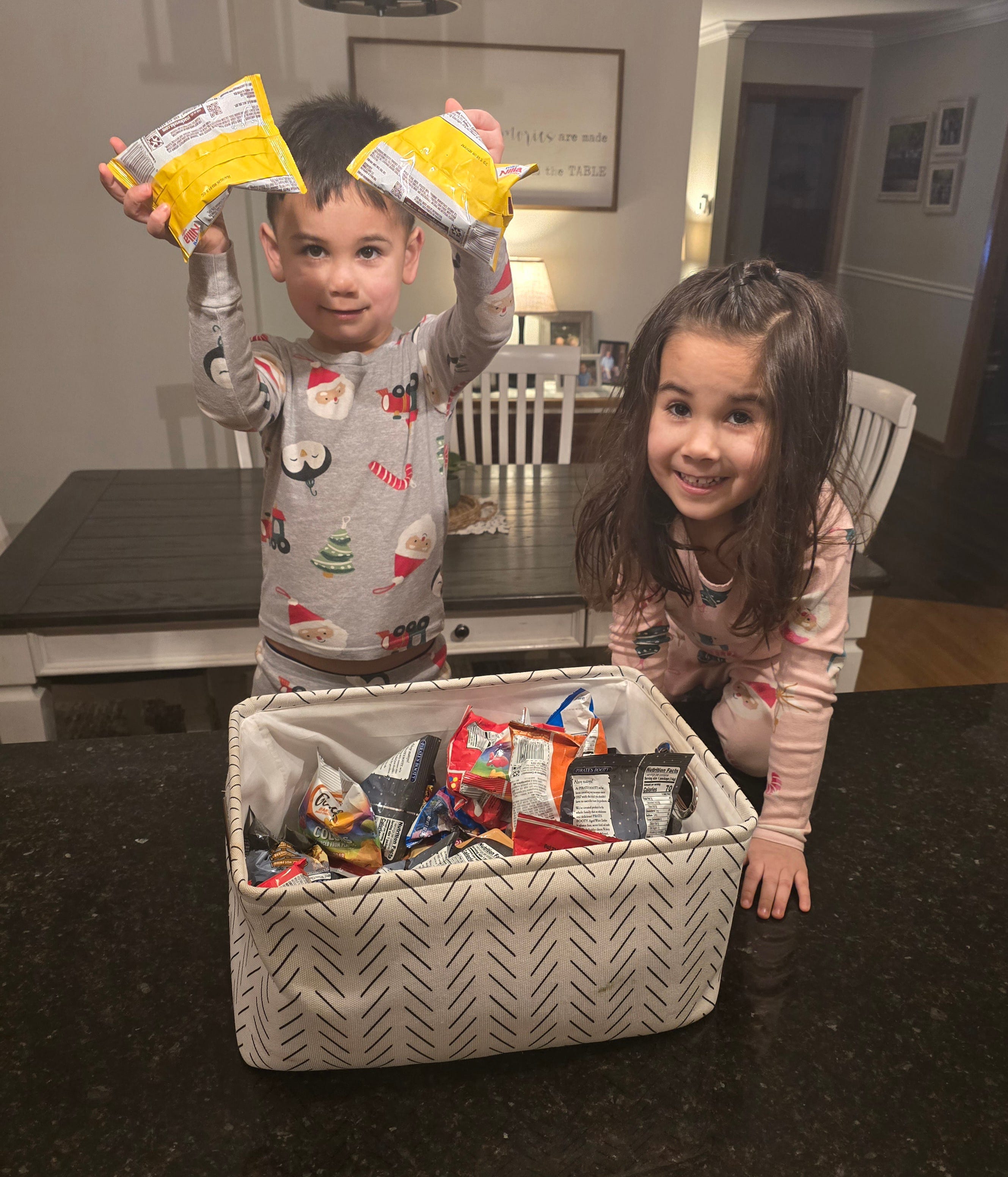
Our twin grandkids, Mila and Jameson (almost 4), love getting snacks when they come to our house. The two are pictured below with the snack basket that Nana (Priscilla) keeps in our pantry.
Last week, Priscilla picked up the twins from their preschool one afternoon when both of their parents were working. Jamo’s dad had come home that day to fix lunch for the twins, and then he took them to preschool.
On the walk to our SUV, Jamo said to Priscilla: “Daddy said ‘No snacks’ because I didn’t eat my sandwich.”
Priscilla said: “So I can give Mila candy, but you can’t have any, right?”
Jamo replied: “He didn’t say ‘No candy.’ Just no snacks.”
What is a grandmother to do? Priscilla gave him candy! Later, Jamo’s dad, Manny, said: “I guess I’m going to have to be specific!”
Priscilla picked the twins again the next day, and the first words out of Jamo’s mouth were: “I ate my sandwich!” He wanted his Nana to know there were no “snack restrictions” in place for him on that day.
Thanks as always for reading my weekly letter. Have a good weekend!
Once again, the reflection on Ps 18 n imagery of God’s attention and response to prayer is enlightening and encouraging. Thanks.